
Joints that bend farther than normal (e.g., elbows, knees, fingers)
Get Rid of Stubborn Fat
If you diet and exercise or even have had weight loss surgery or are taking weight loss medications but still have big legs, you may have lipedema. If heaviness, aching, or tender swelling turns simple days into hard ones, you’re not imagining it. Lipedema is real, and it’s not your fault.
At Larson Plastic Surgery in Phoenix, we listen first, then map a surgical plan that respects your lymphatics, reduces symptoms, and helps you move through life with more comfort.
Procedure Highlights
Procedure Highlights
Consultation Required?
Yes
Treatment Type:
Surgery
Surgery Length:
1 to 4 hours
Number of Treatments:
1 to 3
Downtime:
2 to 3 weeks
Duration of Results:
semi-permanent
An In-Depth Look
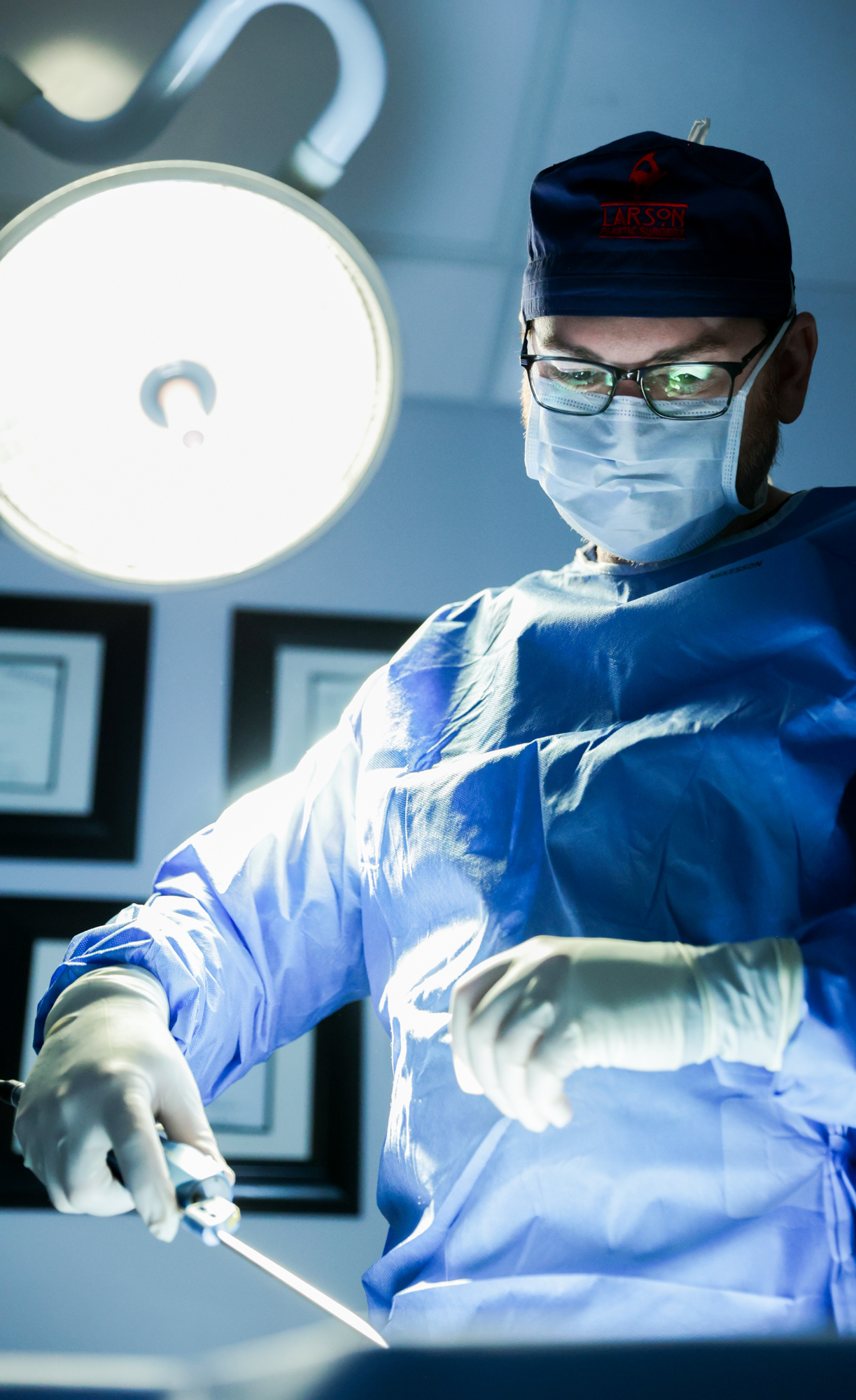
Lipedema surgery removes diseased fat while protecting lymph flow. Dr. Larson uses tumescent infiltration and fine, multi-plane cannulas to free fibrotic tissue with controlled passes.
Your care team prioritizes regions for safety and function, and sets volumes to maximize lipedema removal in the fewest number of procedures while also ensuring safety. They finish by smoothing transition points to avoid step-offs, and whenever possible create sculpted, natural looking legs, then place garments that support lymph movement as you heal.
What It Treats
Lipedema surgery targets the excessive fat accumulation and tissue swelling characteristic of lipedema, improving the contours and symmetry of the affected areas, typically the legs and arms.
What It Treats:
-
Excessive fat accumulation
-
Tissue swelling
-
Disproportionate fat distribution, commonly affecting the legs and arms
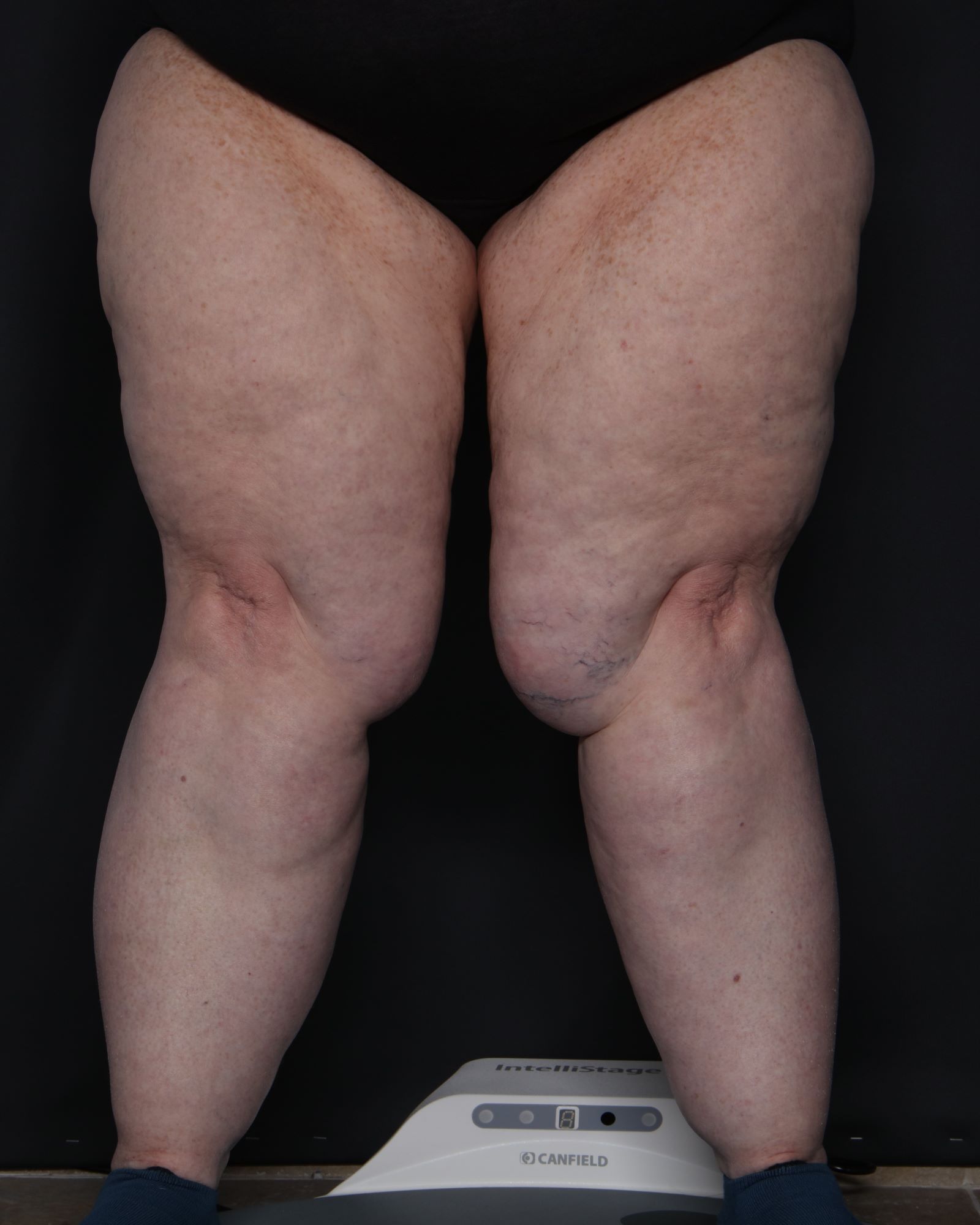
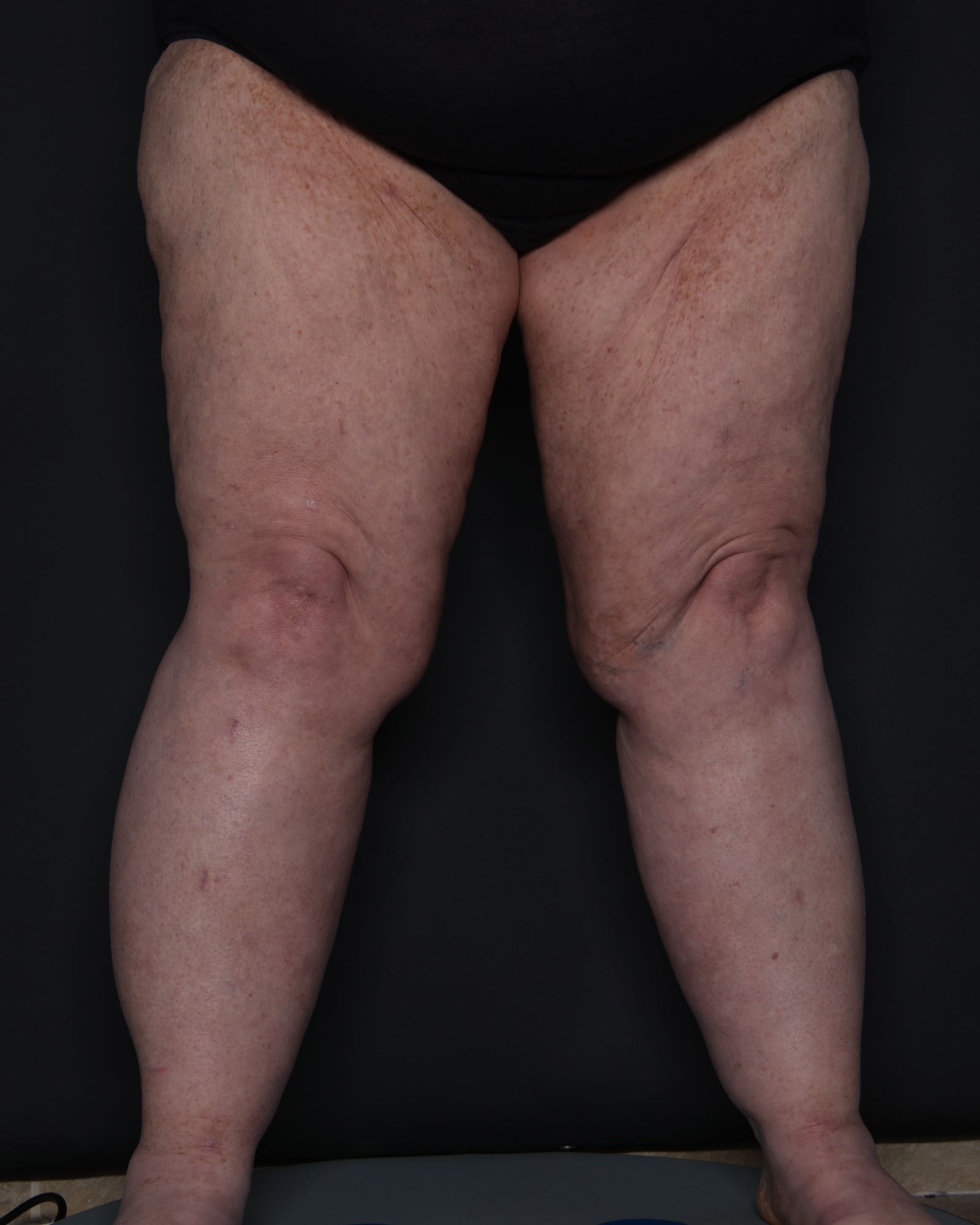
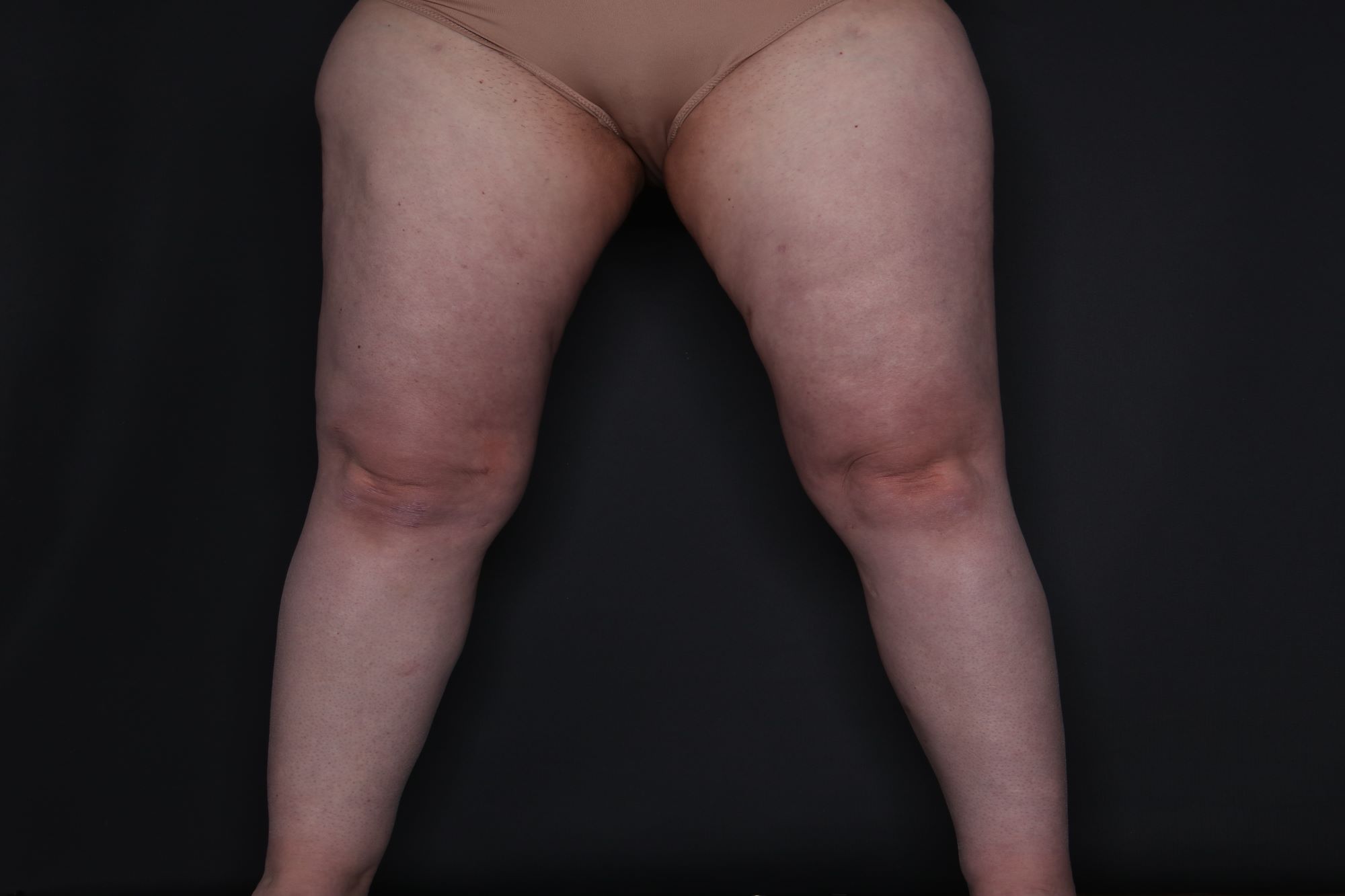
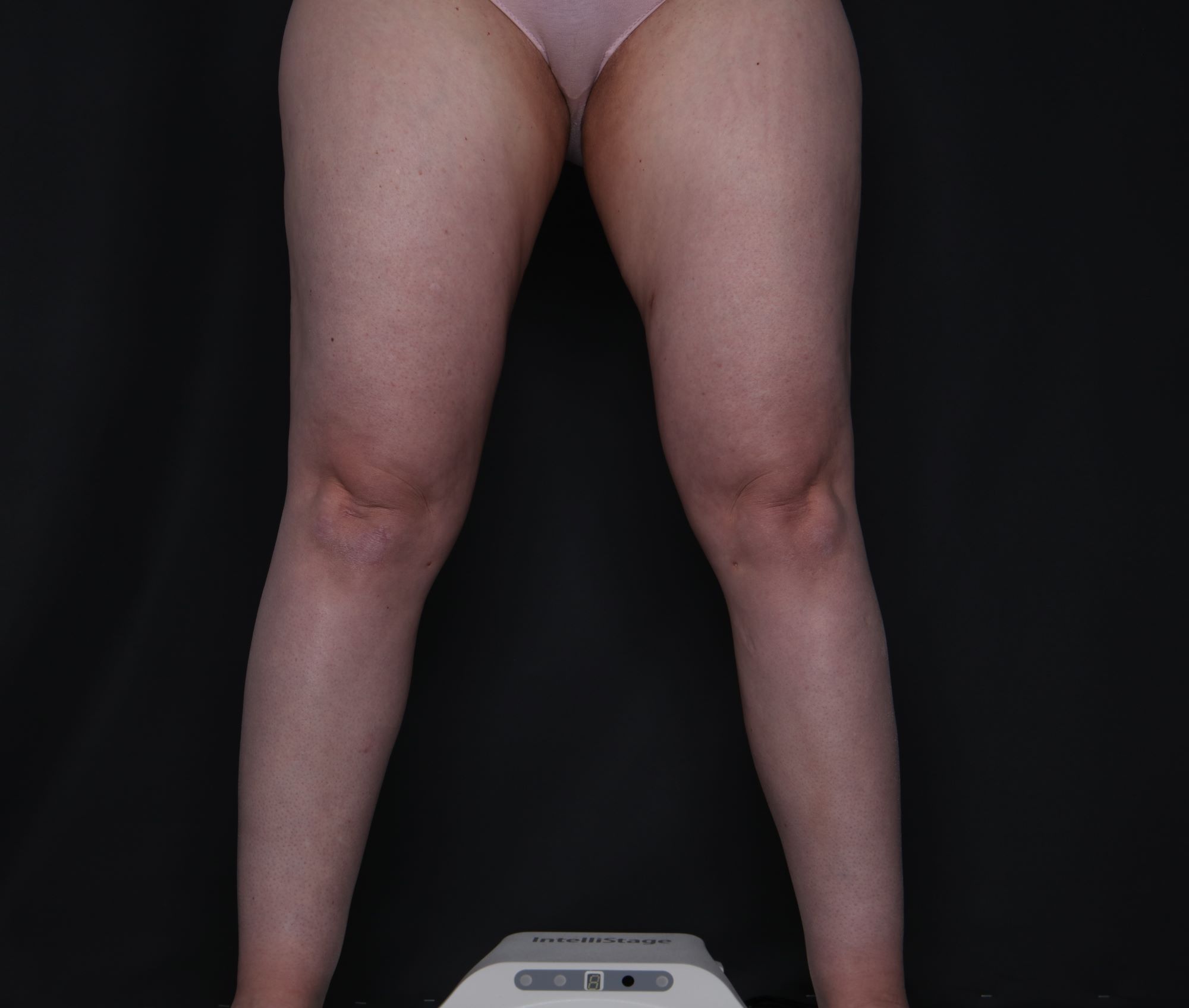
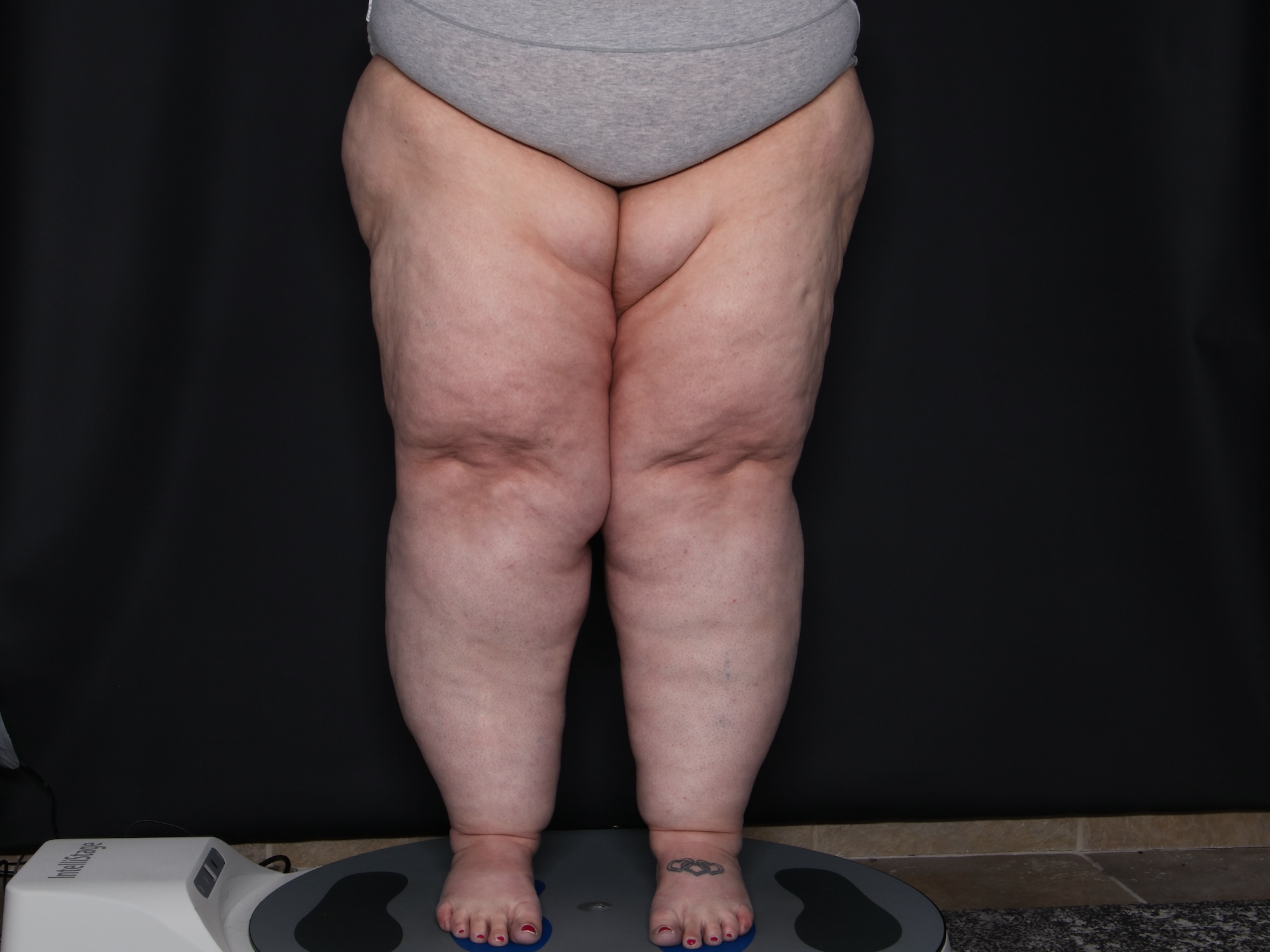
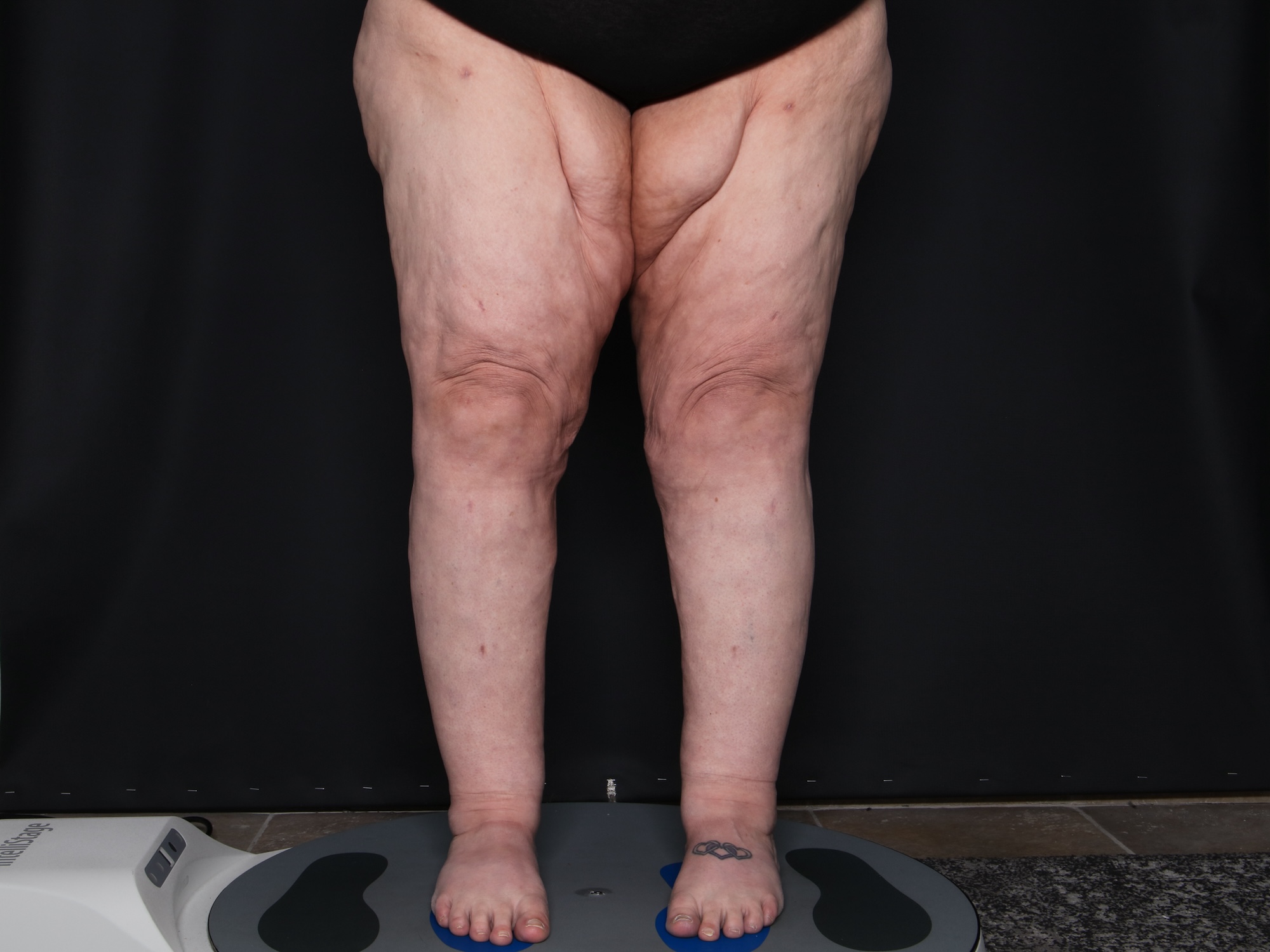
What is Lipedema?
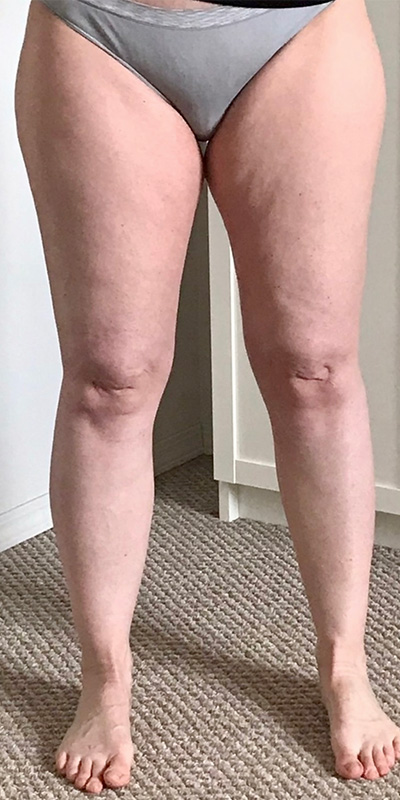
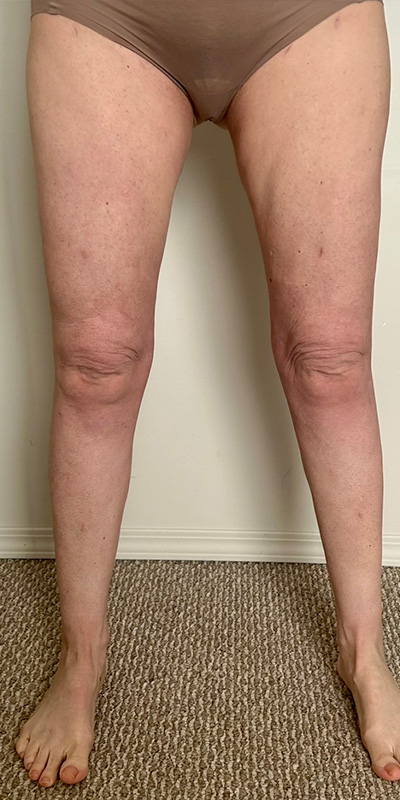
Lipedema is a progressive condition marked by the abnormal growth of fat cells, most often in the legs and sometimes in the arms.
It frequently presents symmetrically and can feel tender to the touch. Many patients report aching by afternoon, swelling that worsens with heat, and frustration when weight loss doesn’t change limb size. Without treatment, symptoms can intensify and affect quality of life.
Common signs include: enlarged, disproportionate limbs; pain and tenderness; easy bruising; a sense of tightness or pressure; fatigue with walking or standing; and difficulty finding clothing that fits both hips and waist comfortably.

What Triggers Lipedema?
Genetics and hormones shape Lipedema. No single event causes it, but many notice onset or flares around life-stage shifts or environmental stressors.
- Puberty
- Pregnancy/postpartum
- Perimenopause/menopause
- Hormone therapies
- Family history
- Connective-tissue traits
- Heat and long-standing
We time staging, choose breathable garments, and coordinate therapy around your hormone stage and daily demands.
Loose ligaments cause injuries to occur more often
Frail skin that often heals less efficiently
Skin that bruises as a result of minor bumps and grazes
Long-lasting irritation and tiredness, seemingly without cause
Tips for Diagnosing EDS
Doctors may use the Beighton Score to test flexibility and hypermobility. This includes checking if you can:
- Bend your pinky finger back beyond 90°.
- Bend your thumb to touch your forearm.
- Hyperextend elbows or knees beyond 10°.
- Place your palms flat on the floor with knees straight.
As your provider performs this test, they may assign points based on how freely your joints move. A score of 5 or more out of 9 suggests generalized joint hypermobility. If a provider suspects you have EDS, they may make a referral to a geneticist, rheumatologist, or connective tissue specialist.
Why This Matters for Lipedema
It’s important to consider whether patients have EDS before treating lipedema, because this joint condition may affect the treatment process. Patients with EDS may bruise more easily and heal more slowly after lipedema surgery in Phoenix.
Connective-tissue traits can influence garment tolerance, bruise patterns, and how quickly you progress from short walks to longer sessions. Knowing this up front allows us to set the right pace, choose gentler compression when needed, and focus therapy on joint stabilization and safe exercise.
Improve circulation, reduce swelling, and support mobility.
A gentle massage technique that encourages lymphatic fluid movement.
Low-impact activities (walking, swimming, cycling, vibration plates) can help with mobility and comfort.
Anti-inflammatory and low-salt diets may reduce swelling, though diet alone cannot remove diseased fat.
Devices that gently squeeze the limbs to reduce swelling.
Medications, physical therapy, and integrative approaches can reduce harmful symptoms.
Benefits of Surgery
There are many reasons why patients should consider lipedema surgery in Phoenix to treat this chronic condition, including:
- Reduction of pain, heaviness, and swelling.
- Improved mobility and endurance.
- Better body proportions and clothing fit.
- Slowing or stopping disease progression.
- Improved self-confidence and quality of life.
Risks of Surgery
Of course, surgery is not without its risks. Patients who elect to receive lipedema surgery in Phoenix may encounter:
- Bleeding, infection, or poor wound healing.
- Numbness or nerve irritation.
- Fluid collections (seromas or hematomas).
- Scarring or uneven skin surface.
- Blood clots (rare but serious).
- Complications stemming from anesthesia
Patients may also require additional surgeries following their initial procedure.
ZL Medspa
Larson Plastic Surgery
Our Process
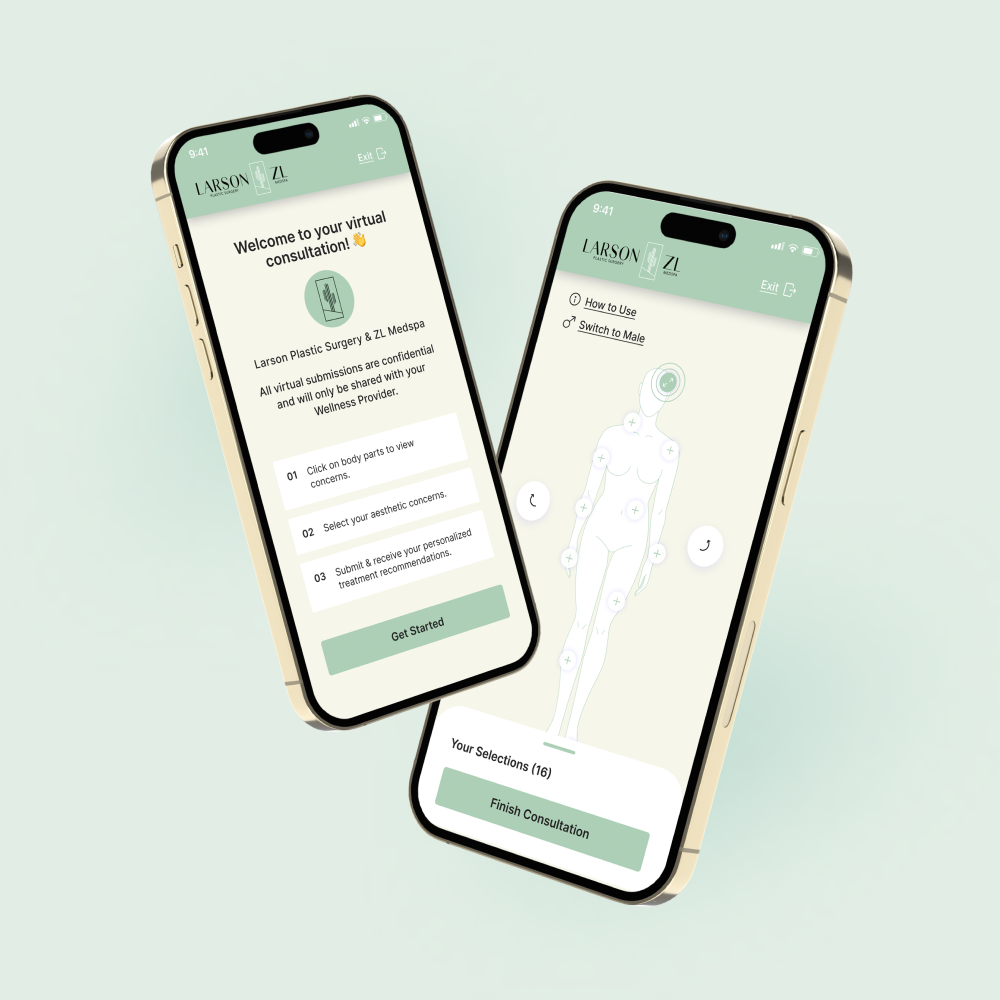
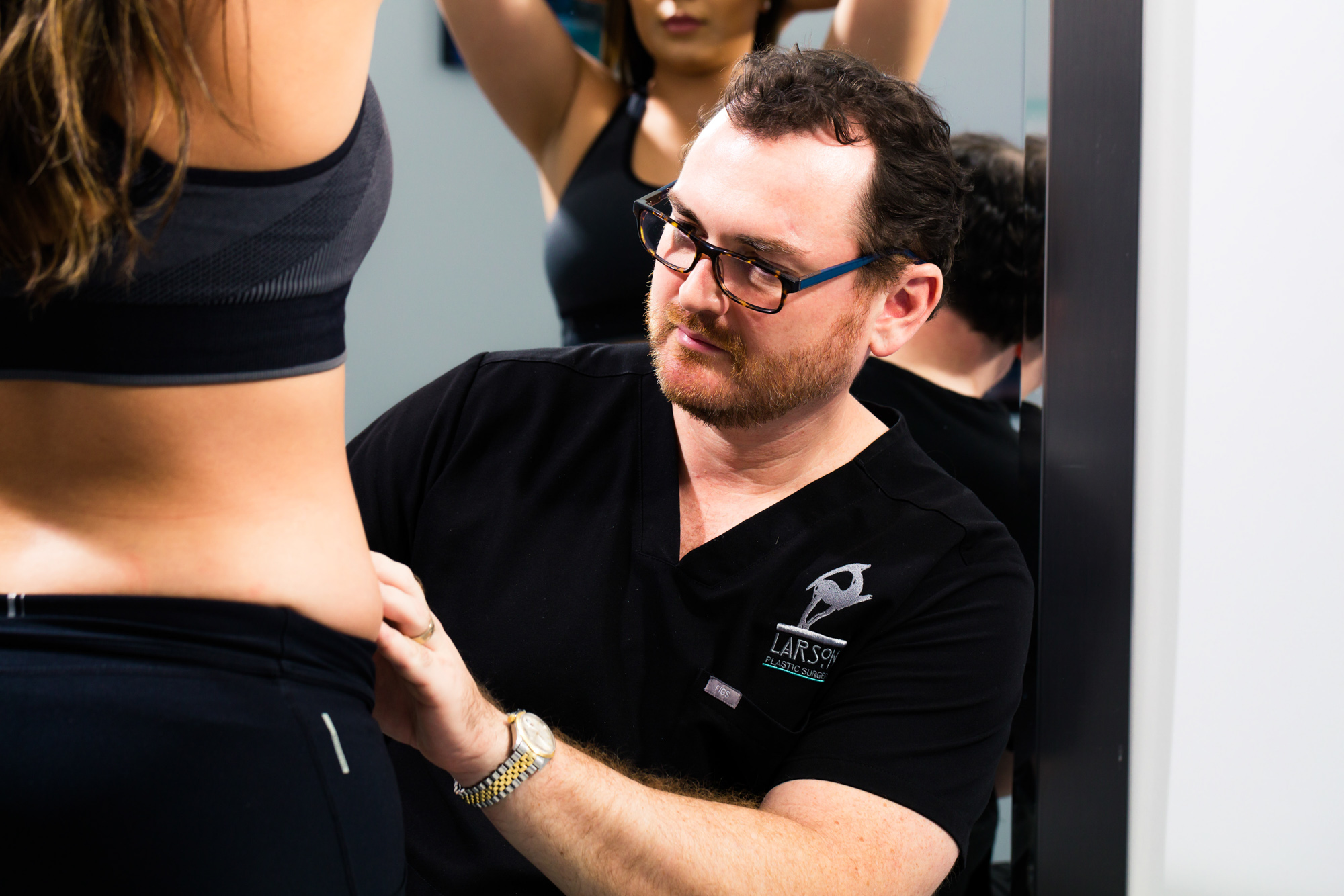
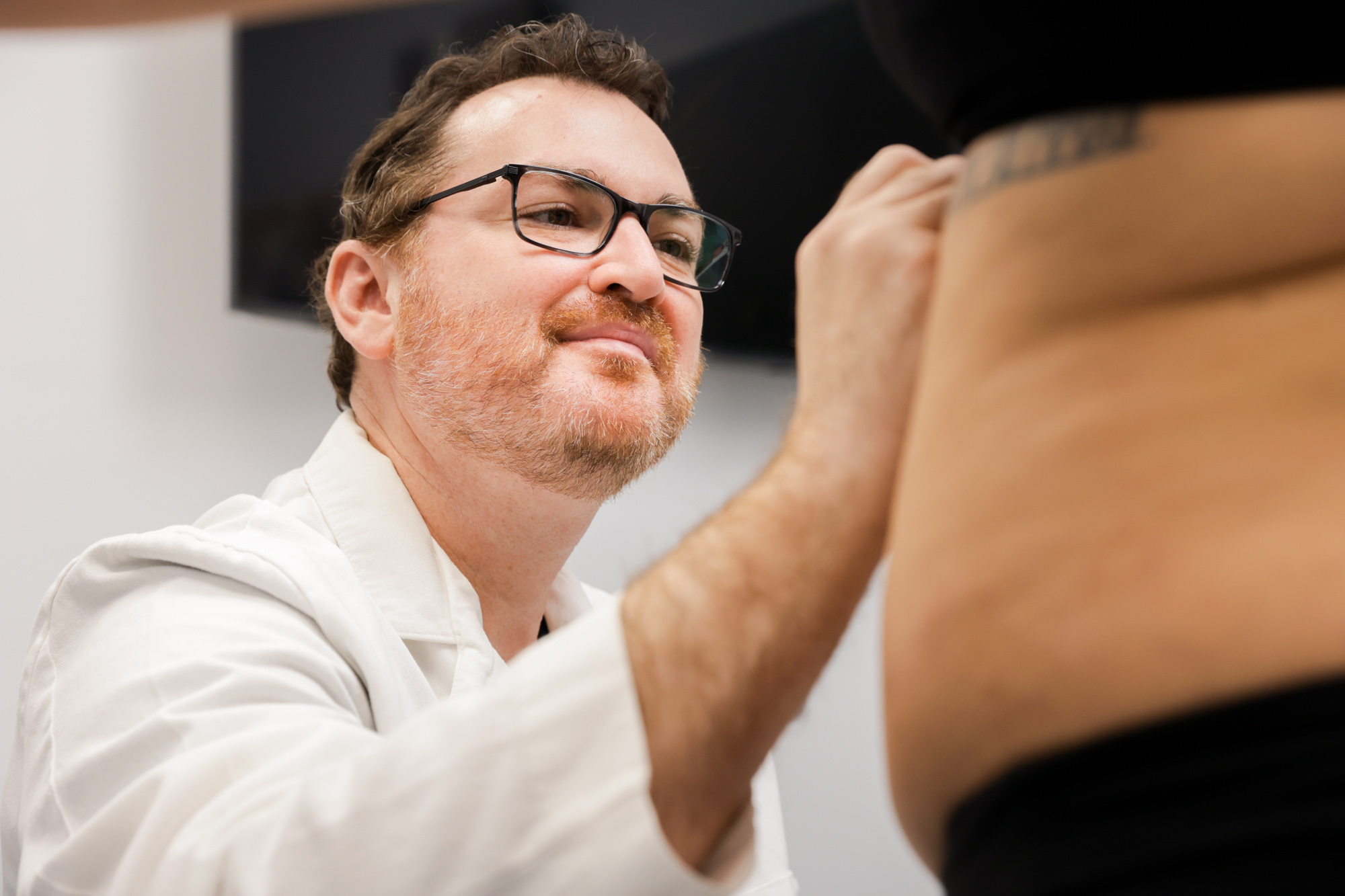
Your Phoenix visit starts with a private, judgment-free conversation. We document your history, photograph regions, and map a staging plan that fits your real life. You’ll try garments for breathability, meet our trusted lymphatic therapists, and leave with a daily playbook filled with hydration cues, indoor-walking goals, and check-in dates.
On procedure days, our team keeps you comfortable and informed. After surgery, we help you into supportive garments and guide your first steps. Desk work can usually resume in 1 to 2 weeks; walking can increase steadily; more intense activity follows when you’re ready and cleared. If the weather spikes—or life happens—we adjust. You won’t navigate recovery alone.
Why Us?


Start Your Journey
Reach out to schedule your consultation for lipedema surgery in Phoenix.

No, it’s not a cure. Lipedema surgery reduces diseased fat to relieve pain, pressure, and mobility limits, but it doesn’t change the underlying biology. Most patients pair surgery with compression, movement, and nutrition habits for long-term comfort.
It depends on the treatment regions, symptom severity, and your goals. Many plans for lipedema surgery in Phoenix include 1 to 3 stages spaced several weeks to a few months apart. We prioritize function (for example, calves and ankles first), then address remaining areas. If mild laxity remains, we may discuss adjunct skin-tightening treatments.
Cosmetic liposuction targets shape, while lipedema surgery targets a medical fat disorder. Dr. Larson’s expert technique emphasizes lymphatic preservation, fibrotic tissue release, and staged regions to improve function.
Coverage varies. Our team provides thorough documentation for lipedema surgery in Phoenix when medical necessity criteria apply. Many patients use financing for the uncovered portions. But, we’ll walk you through options and timing.